
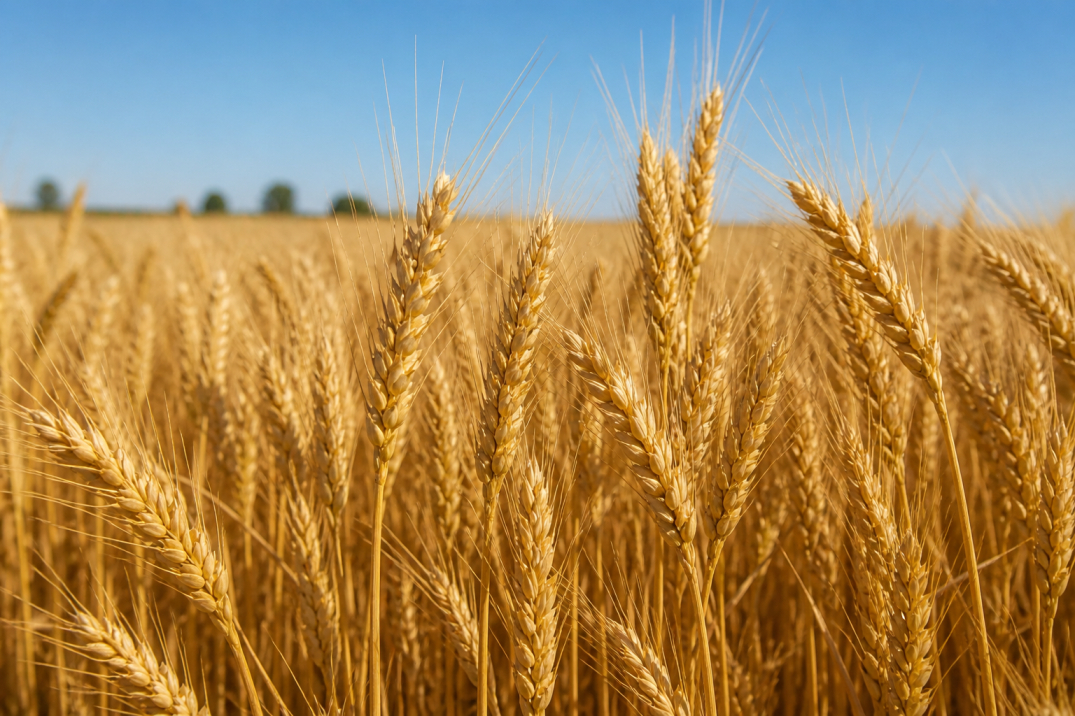
Wheat is a staple cereal grain crop fundamental to global food security, providing the basis for bread, pasta, and countless other foods. As one of the earliest domesticated plants, it adapts to diverse climates and soils, playing a vital role in agriculture with its high yield potential and nutritional value in carbohydrates and proteins.
Powdery mildew
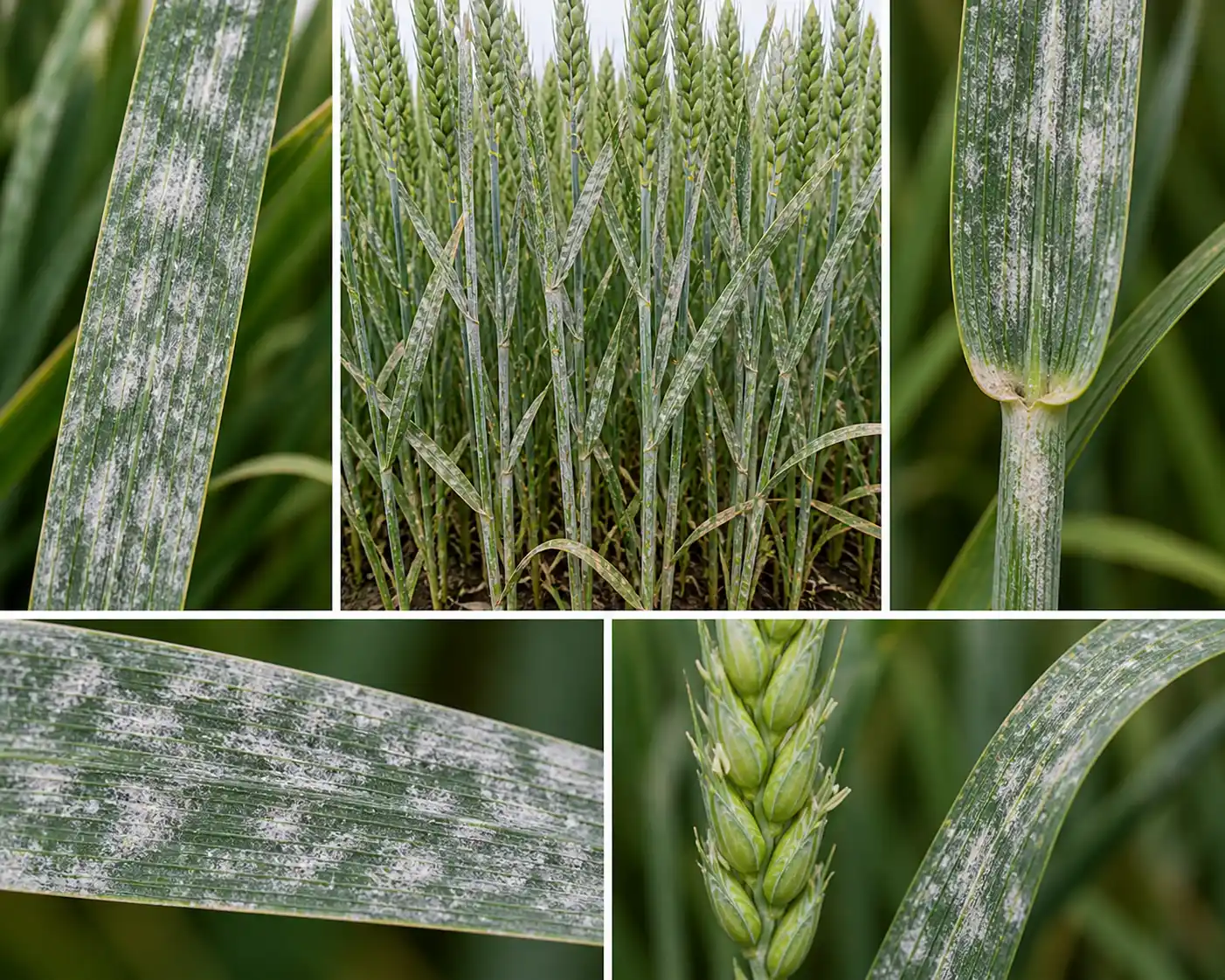
Powdery Mildew (caused by the fungus Blumeria graminis infection) is a common wheat disease.
-
Appears as white, powdery patches on leaves, stems, and spikes
-
Infected areas may turn yellow and dry later
-
Severe infection reduces photosynthesis
-
Common in cool, humid, and cloudy conditions
-
Leads to poor grain development and yield loss
Using resistant varieties, proper spacing, and timely fungicide application helps control the disease.
Product That Matches The Disease
Loose Smut
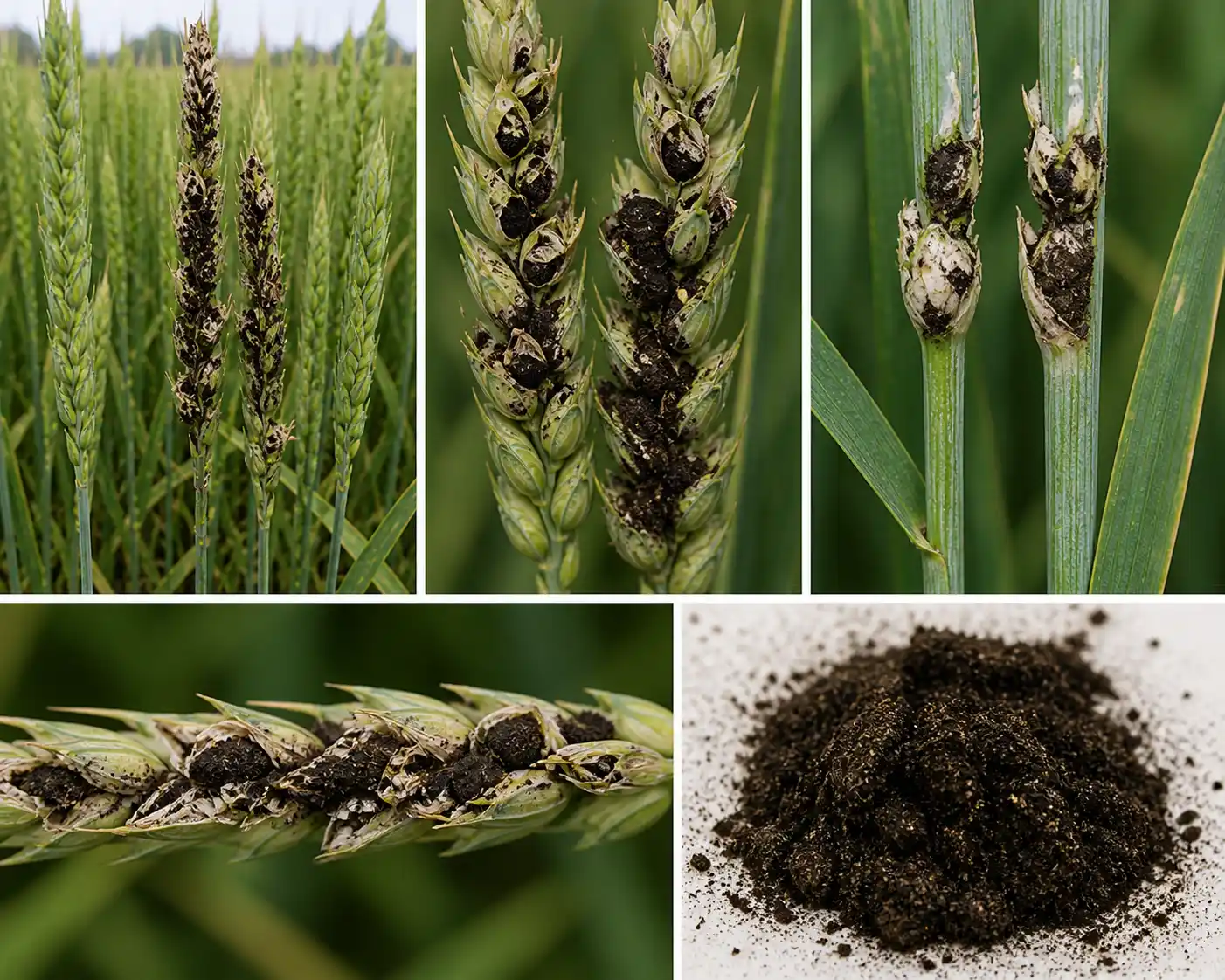
Loose Smut (caused by the fungus Ustilago tritici infection) is a seed-borne disease of wheat.
-
Wheat heads are replaced by black, powdery spores
-
Infected spikes emerge earlier than healthy ones
-
Spores disperse easily by wind, leaving empty stalks
-
Infection spreads through infected seeds during flowering
-
Causes complete grain loss in affected plants
Using certified seeds and proper seed treatment helps prevent the disease.
Product That Matches The Disease
Stripe Rust/Yellow Rust
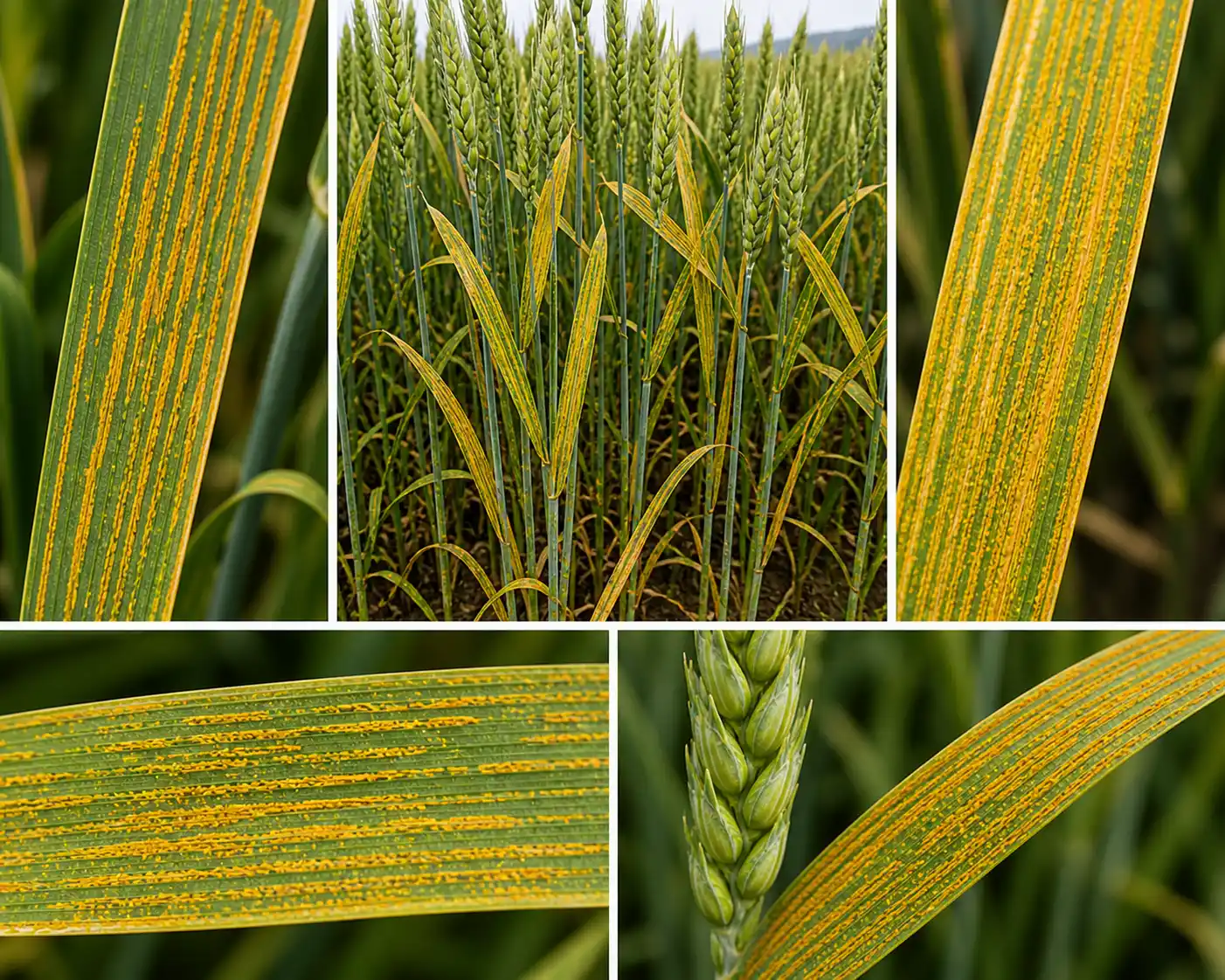
Stripe Rust / Yellow Rust (caused by the fungus Puccinia striiformis infection) is a common wheat disease.
-
Shows yellow to orange pustules in long stripes on leaves
-
Pustules are arranged in lines along leaf veins
-
Leaves may turn yellow and dry early
-
Disease spreads quickly in cool and humid conditions
-
Leads to reduced grain filling and yield loss
Using resistant varieties and timely fungicide application helps manage the disease.
Product That Matches The Disease
Stem Rust
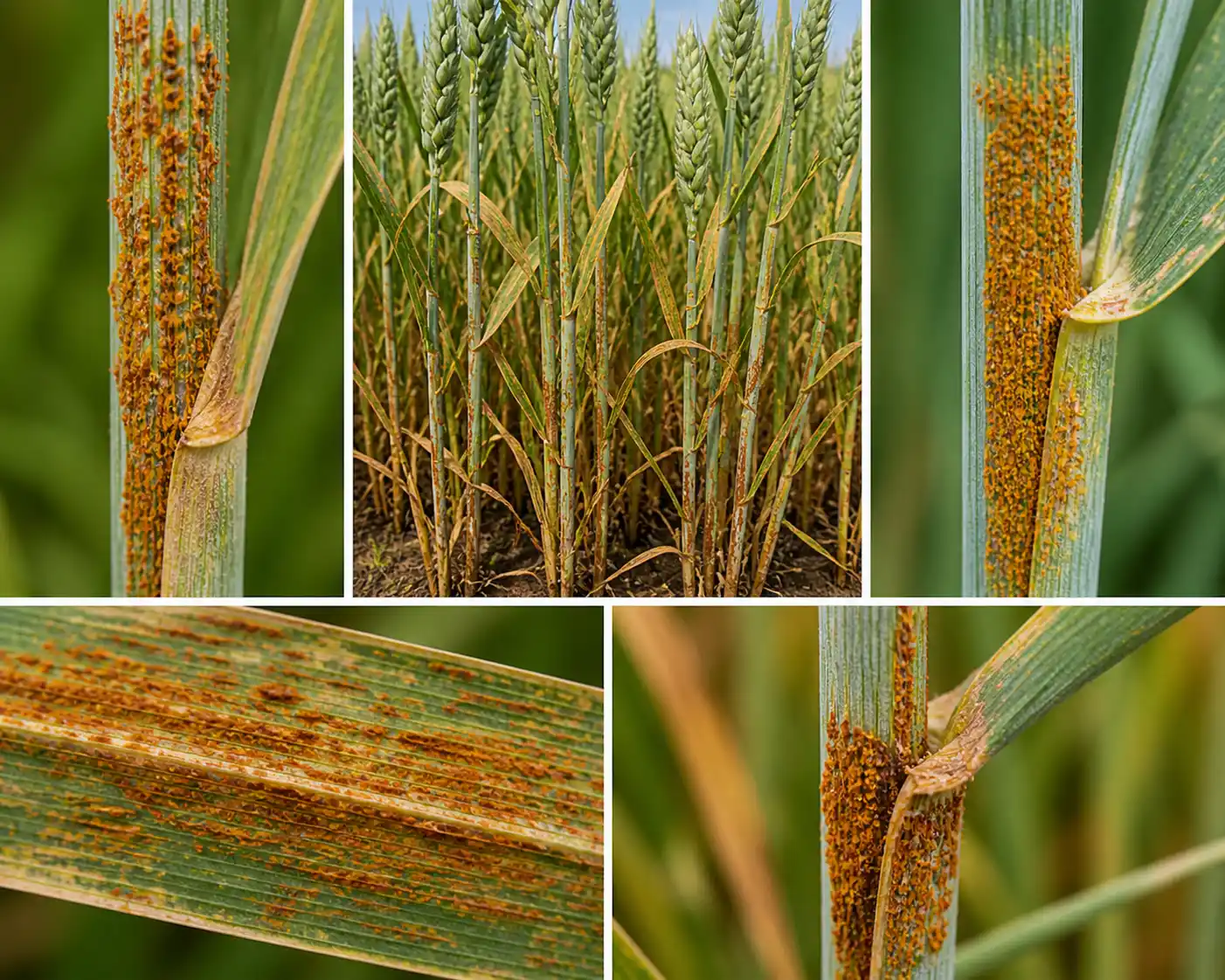
Stem Rust (caused by the fungus Puccinia graminis infection) is a serious disease of wheat.
-
Forms elongated reddish-brown pustules on stems, leaves, and spikes
-
Pustules later turn dark brown to black in advanced stages
-
Weakens stems, causing lodging (plants fall over)
-
Severe infection leads to shriveled grains and heavy yield loss
-
Spreads rapidly in warm and humid conditions
Growing resistant varieties and timely fungicide application help control the disease.
Product That Matches The Disease
Leaf Rust /Brown Rust
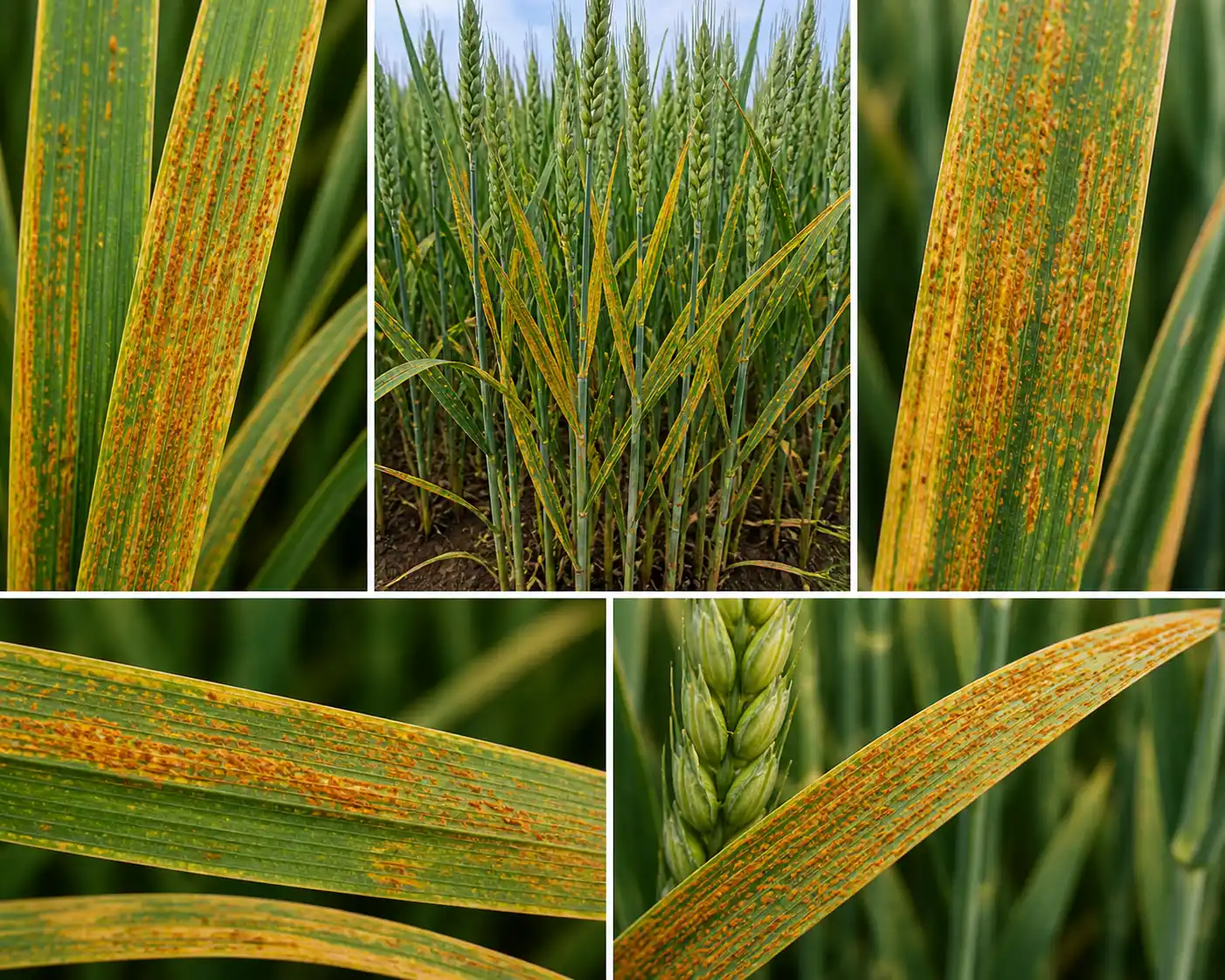
Here is a clean image of Leaf Rust / Brown Rust in wheat (no text on image):
Now a short description:
Leaf Rust / Brown Rust (caused by the fungus Puccinia triticina infection) is a common wheat disease.
-
Appears as small orange-brown pustules on leaf surface
-
Pustules release rust-colored powder (spores)
-
Mostly affects older leaves first
-
Severe infection causes early leaf drying
-
Leads to reduced grain filling and yield loss
Resistant varieties and timely fungicide application help control the disease.
Product That Matches The Disease

FAQ
Frequently Ask Questions
What products does Ekhande Agro Fertilizers offer?
We provide high-quality fertilizers and crop protection solutions designed to enhance crop nutrition and productivity while promoting sustainable farming practices.
How can Ekhande Agro help improve crop yields?
Our products are formulated to ensure optimal crop nutrition, helping farmers achieve higher yields with lower input costs, while maintaining soil health.
Are your fertilizers eco-friendly?
Yes, our fertilizers are developed with a focus on sustainability, ensuring they are safe for the environment and promote long-term agricultural health.
Do you provide guidance or support to farmers?
Absolutely! We assist farmers with expert advice, innovative solutions, and product recommendations tailored to their specific agricultural needs.