
Crop Nutrition – Essential Nutrients for Crop Growth
Crop nutrition is a science-driven approach to supplying plants with the 17 essential nutrients required to complete their life cycle—covering vegetative growth, reproductive development, and final yield formation. These nutrients are classified into macronutrients and micronutrients based on plant demand, but each one performs a specific biochemical and physiological function that cannot be substituted by another.
Nutrients are absorbed by plants primarily in ionic forms through roots (e.g., NO₃⁻, NH₄⁺, H₂PO₄⁻, K⁺) and, in some cases, through foliar uptake. Their availability is strongly influenced by soil properties such as pH, organic matter content, moisture, temperature, and microbial activity. For example, micronutrients like iron and zinc become less available in alkaline soils, while nitrogen is highly dynamic and prone to losses through leaching and volatilization.
A key principle in crop nutrition is the balanced supply of nutrients, often explained by the Law of the Minimum, which states that crop yield is limited by the nutrient that is most deficient relative to plant needs. This highlights the importance of maintaining an optimal ratio of nutrients rather than focusing on a single element.
Nutrient interactions also play a critical role—synergistic and antagonistic relationships can influence uptake and efficiency. For instance, excess phosphorus can reduce zinc availability, while adequate potassium improves nitrogen utilization and stress tolerance.
Modern crop nutrition emphasizes Integrated Nutrient Management (INM), combining chemical fertilizers, organic inputs, and biological sources to improve nutrient use efficiency, maintain soil fertility, and ensure sustainable productivity. Precision techniques such as soil testing, leaf analysis, and stage-wise nutrient application further enhance nutrient efficiency and crop performance.
Foundation Nutrients (C, H, O)
Carbon
CCarbon is the backbone of all plant life and constitutes a major portion of plant dry matter. It is absorbed from atmospheric CO₂ through Photosynthesis and used to build organic compounds. It plays a central role in energy storage and biomass formation.
Role:
Structural component of carbohydrates, proteins, and fats
Deficiency Symptoms:
Not observed under normal conditions

Field Insight: Higher photosynthesis efficiency leads to better yield
Hydrogen
HHydrogen is derived from water and is essential for plant metabolic activities. It participates in biochemical reactions and helps maintain cell structure. It also plays a role in energy transfer within plant systems.
Role:
Component of organic molecules, maintains cell turgidity
Deficiency Symptoms:
Rare in field conditions

Field Insight: Adequate irrigation ensures proper availability
Oxygen
OOxygen is required for respiration and energy release in plants. It is also part of many organic compounds and supports root activity. Proper oxygen availability is crucial for healthy root development.
Role:
Supports respiration and energy release
Deficiency Symptoms:
Root suffocation in waterlogged soils
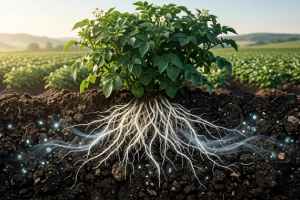
Field Insight: Good soil aeration is essential for root health
Primary Macronutrients (N, P, K)
Nitrogen
NNitrogen is the most important nutrient for vegetative growth and green foliage. It is a key component of chlorophyll and proteins. Adequate nitrogen promotes rapid growth and higher biomass production.
Role:
Chlorophyll formation, protein synthesis
Deficiency Symptoms:
Yellowing of older leaves, stunted growth
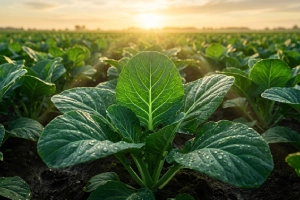
Field Insight: Split application improves efficiency and reduces loss
Phosphorus
PPhosphorus is essential for root development and energy transfer within plants. It supports early growth, flowering, and seed formation. It is especially important during initial crop stages.
Role:
ATP formation, root growth, flowering
Deficiency Symptoms:
Purplish leaves, weak root system

Field Insight: Placement near roots enhances uptake
Potassium
KPotassium improves overall plant health and stress tolerance. It regulates water balance and enhances crop quality. It is crucial for improving resistance against pests and diseases.
Role:
Enzyme activation, water regulation
Deficiency Symptoms:
Leaf edge scorching, weak stems
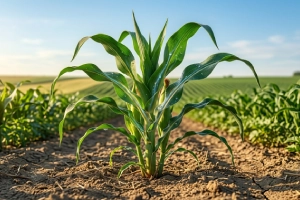
Field Insight: Improves drought and disease resistance
Secondary Macronutrients (Ca, Mg, S)
Calcium
CaCalcium is vital for cell wall development and structural strength. It supports root and shoot growth and improves plant stability. Continuous supply is required as it does not move within the plant.
Role:
Cell wall formation, root development
Deficiency Symptoms:
Tip burn, blossom end rot
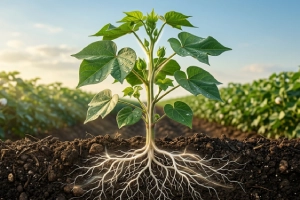
Field Insight: Regular supply is necessary for growing tissues
Magnesium
MgMagnesium is a central component of chlorophyll and is essential for photosynthesis. It also activates several plant enzymes. It plays a key role in energy transfer reactions.
Role:
Photosynthesis, enzyme activation
Deficiency Symptoms:
Interveinal chlorosis in older leaves
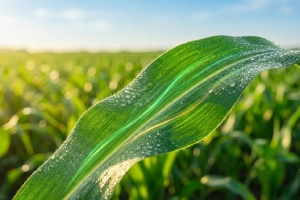
Field Insight: Important for maintaining leaf greenness
Sulfur
SSulfur is important for protein synthesis and enzyme function. It contributes to crop quality, especially in oilseeds and spices. It is also involved in chlorophyll formation.
Role:
Amino acid formation, enzyme activity
Deficiency Symptoms:
Yellowing of young leaves
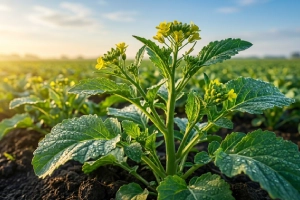
Field Insight: Enhances flavor and oil content
Micronutrients (Trace Elements)
Iron
FeIron is essential for chlorophyll synthesis and energy transfer. It plays a major role in enzyme systems and plant respiration. It is especially important in young plant tissues.
Role:
Chlorophyll formation, electron transport
Deficiency:
Yellowing of young leaves

Field Insight: Common deficiency in alkaline soils
Manganese
MnManganese is involved in photosynthesis and nitrogen metabolism. It activates enzymes required for plant growth. It also supports chloroplast function.
Role:
Enzyme activation, photosynthesis
Deficiency:
Yellowing with brown spots

Field Insight: Helps improve metabolic efficiency
Zinc
ZnZinc is crucial for growth hormone production and enzyme activity. It influences plant height and leaf size. It is essential for proper crop development.
Role:
Auxin synthesis, enzyme function
Deficiency:
Small leaves, short internodes
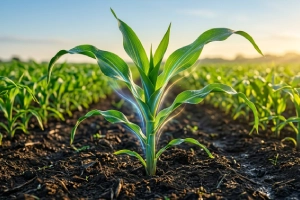
Field Insight: Critical for uniform crop growth
Copper
CuCopper supports reproductive growth and enzyme systems. It is important for lignin formation and plant strength. It also plays a role in photosynthesis.
Role:
Enzyme activity, lignin synthesis
Deficiency:
Dieback, poor flowering
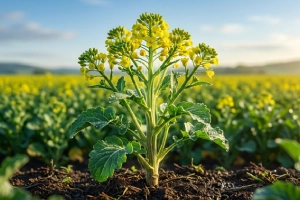
Field Insight: Important for crop maturity and strength
Boron
BBoron is essential for cell division and reproductive development. It plays a key role in pollen formation and fruit setting. It is critical during flowering stages.
Role:
Cell wall formation, pollen viability
Deficiency:
Flower drop, poor fruit set

Field Insight: Must be supplied during reproductive stage
Molybdenum
MoMolybdenum is required for nitrogen metabolism and fixation. It helps convert nitrate into usable forms. It is especially important in legume crops.
Role:
Nitrogen conversion, enzyme activity
Deficiency:
Yellowing, poor nitrogen use

Field Insight: Enhances nitrogen efficiency
Chlorine
ClChlorine plays a role in water balance and photosynthesis. It helps maintain osmotic pressure in plant cells. It is generally available in sufficient amounts.
Role:
Osmotic regulation, photosynthesis
Deficiency:
Rare (wilting)

Field Insight: Usually not limiting in most soils
Nickel
NiNickel is required in very small quantities but is essential for enzyme function. It is involved in nitrogen metabolism and seed development.
Role:
Urease enzyme activation
Deficiency:
Poor seed development
Field Insight: Needed in trace amounts but critical