Innovating for a Sustainable Farming Future
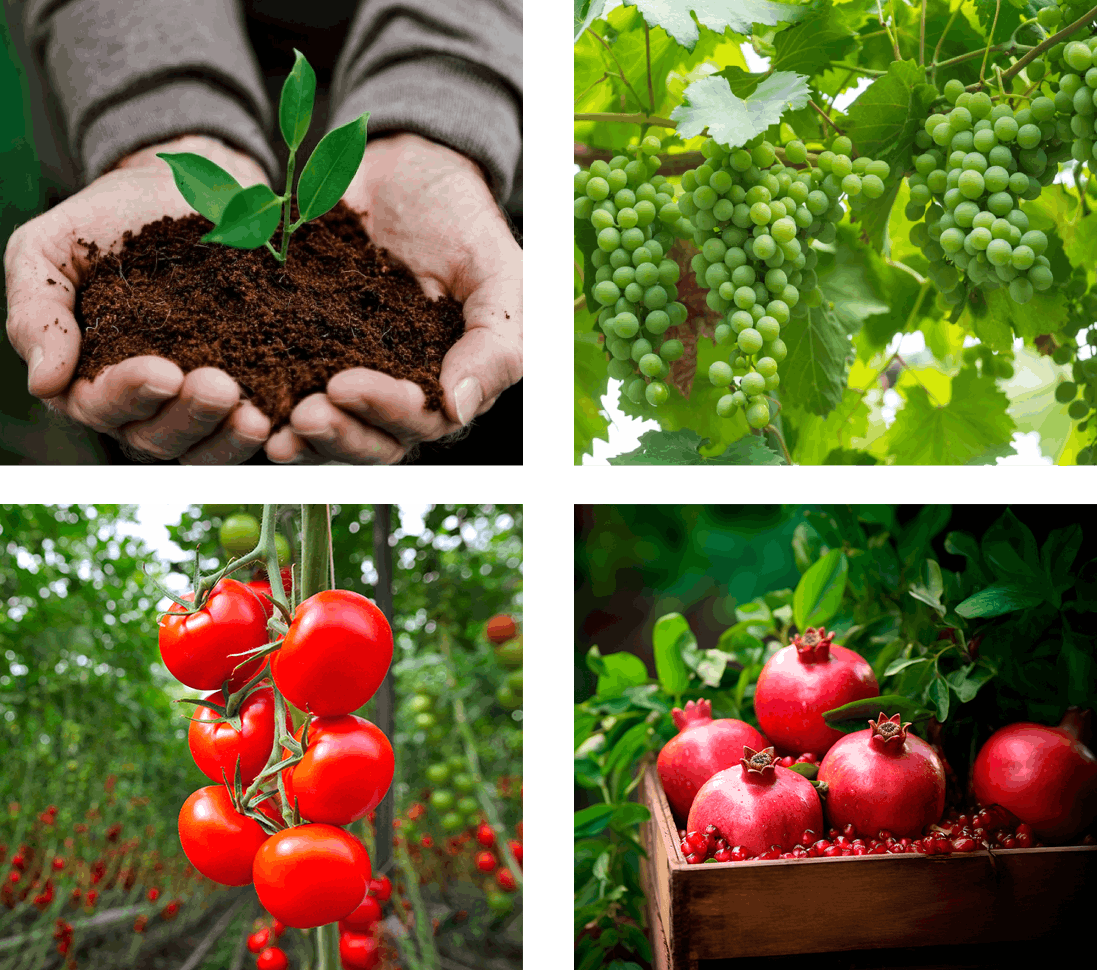
At Ekhande Group, we believe that continuous research and innovation are essential for the growth of modern agriculture. Our Research & Development (R&D) division is committed to enhancing crop productivity, improving soil health, and developing eco-friendly agricultural solutions that empower farmers.
Through cutting-edge technology, scientific advancements, and farmer-centric solutions, we strive to address the key challenges faced by the agricultural community and pioneer the future of sustainable farming.
Shaping the Future of Agriculture
At Ekhande Group, our R&D efforts are not just about innovation—they are about creating lasting impact. By investing in scientific advancements and sustainable solutions, we aim to empower farmers, protect the environment, and ensure food security for future generations.
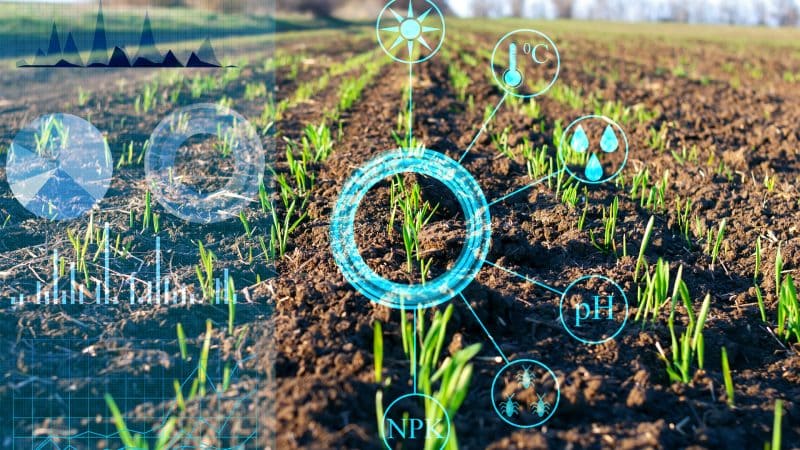
With unpredictable climate patterns affecting agriculture, our research focuses on drought-resistant crops, climate-smart fertilizers, and water-saving irrigation techniques. We aim to help farmers adapt and thrive in changing environmental conditions.
Our Commitment to Innovation
At Ekhande Group, innovation is at the core of everything we do. We are dedicated to redefining agriculture by continuously developing new technologies, improving farming methods, and creating sustainable, high-impact solutions for farmers. Our Research & Development (R&D) division is actively working to address key agricultural challenges and shape the future of farming.
Through scientific research, technological advancements, and field-tested solutions, we ensure that farmers receive the most effective and environmentally responsible products to maximize productivity.
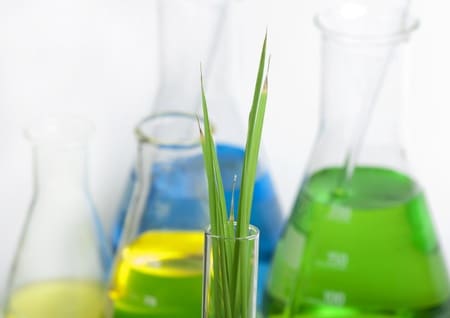
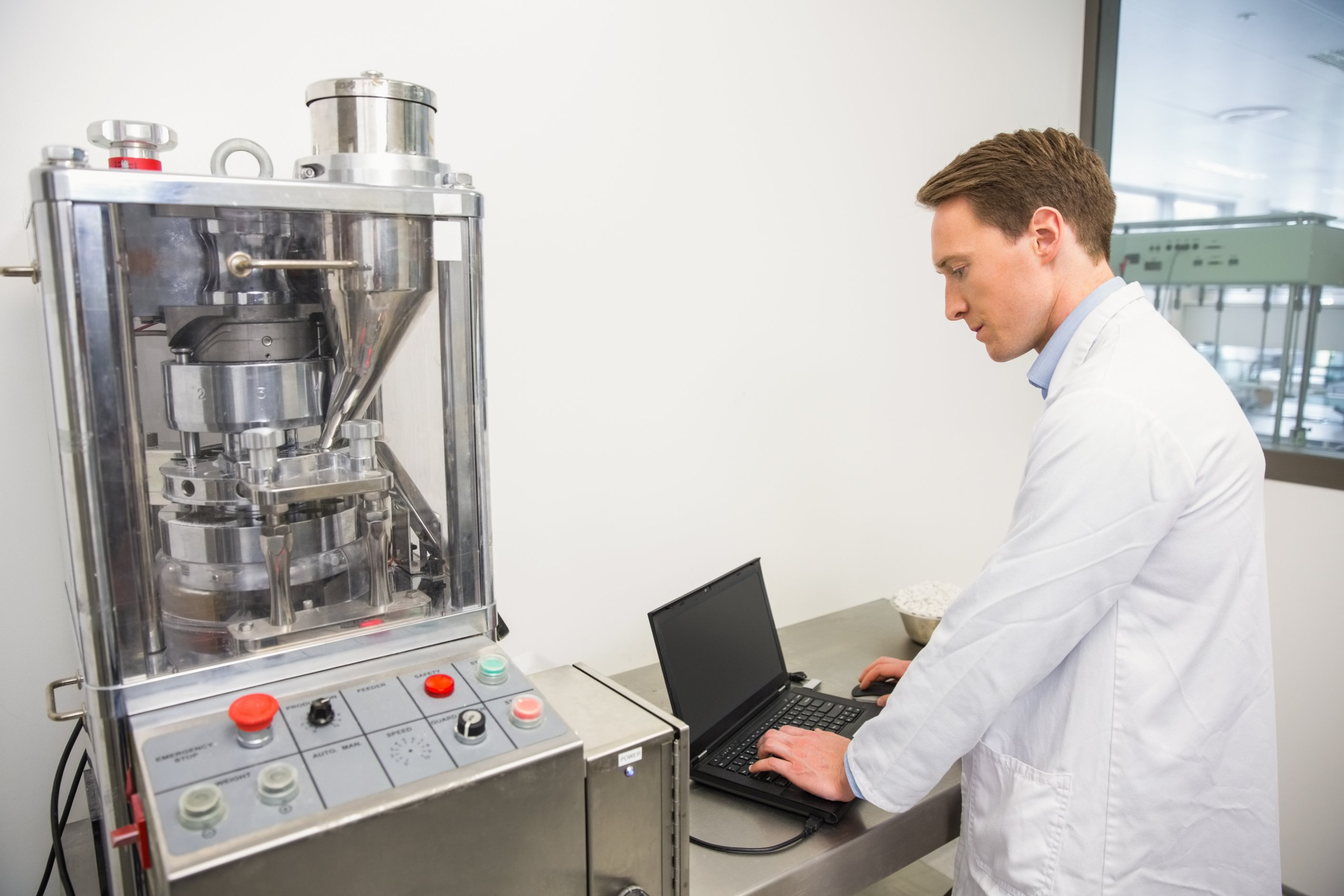
R&D Centre — Ekhande Agro Fertilizers Pvt. Ltd.
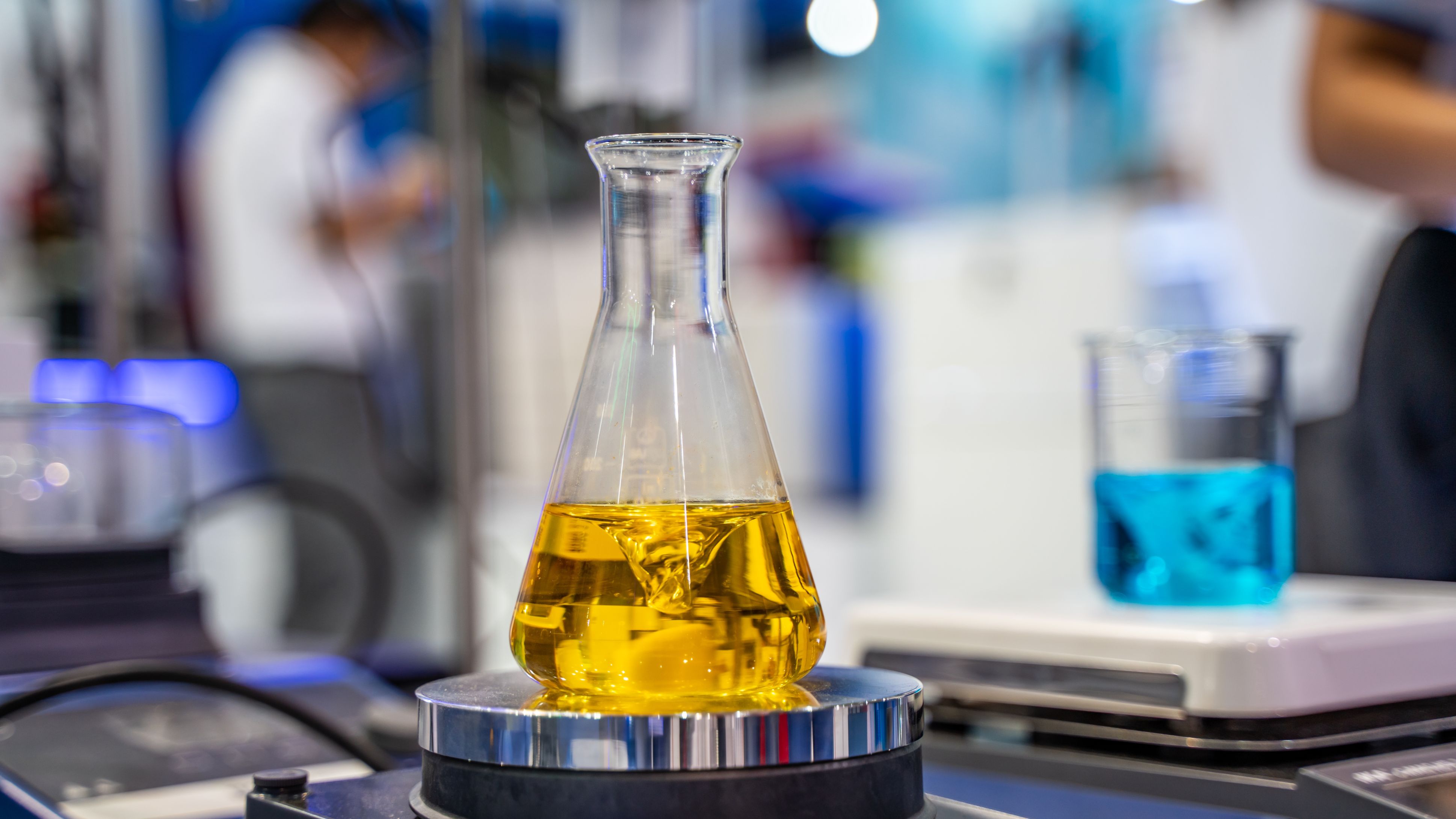
Ekhande Agro’s R&D Centre is built to translate scientific discovery into reliable, market-ready crop-protection and plant-nutrition solutions. The Centre bridges discovery, formulation development, analytical assurance, regulatory science and on-farm validation — all under robust safety, IP and data governance. It is designed to support chemistry- and biology-based projects, accelerate formulation scale-up, and ensure products meet national and international regulatory and quality standards.
Mission & Focus Areas
- ✓ Discover and optimize new active ingredients and co-formulants for insecticides, herbicides, fungicides, biopesticides and plant growth regulators.
- ✓ Develop stable, effective commercial formulations across liquid (EC, EW, SC, SE, OD, SL, ZC, CS) and solid (WP, WDG, SG, SP, GR, DP) platforms.
- ✓ Create robust analytical methods for identity, potency, impurities, stability and residue testing.
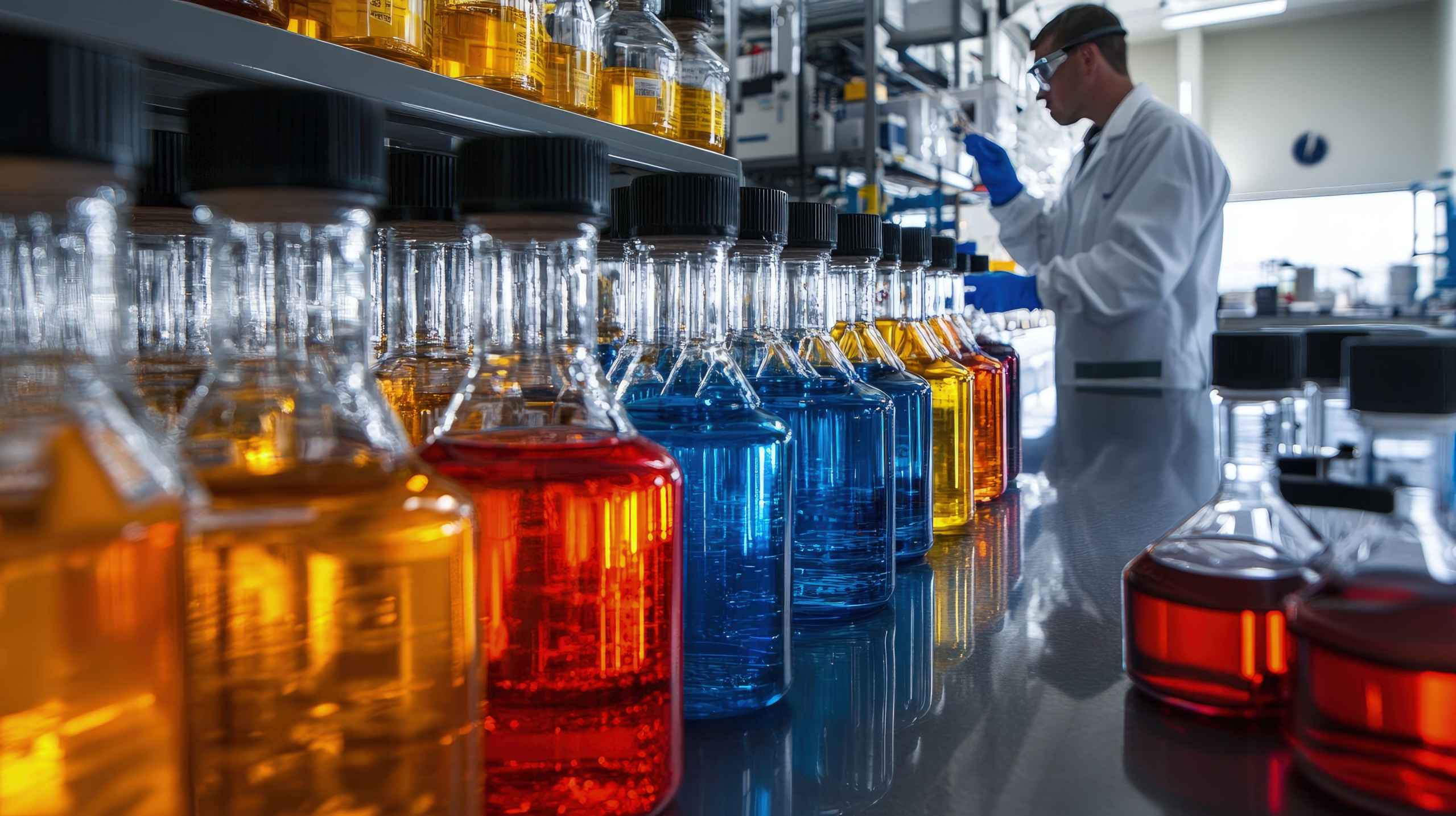
- ✓ Conduct GLP-grade greenhouse and field trials for efficacy, phytotoxicity and residue behaviour across target crops and agro-ecologies.
- ✓ Support regulatory submissions, packaging compatibility studies and product stewardship programs focused on farmer safety and environmental protection.
Research Infrastructure & Capabilities
Discovery & Synthesis (Chemistry)
- ✓ Small-molecule synthesis labs equipped for multi-step organic synthesis, microscale reaction screening, and safe handling of reagents.
- ✓ Workflows for scale-up to pilot quantities and synthesis route optimization to lower impurities and improve yield — enabling seamless handover to process development and pilot plant teams.
- (Industry practice: major crop protection companies maintain integrated chemistry discovery and synthesis labs to feed pipelines of new actives.)
Formulation Development & Pilot Plant
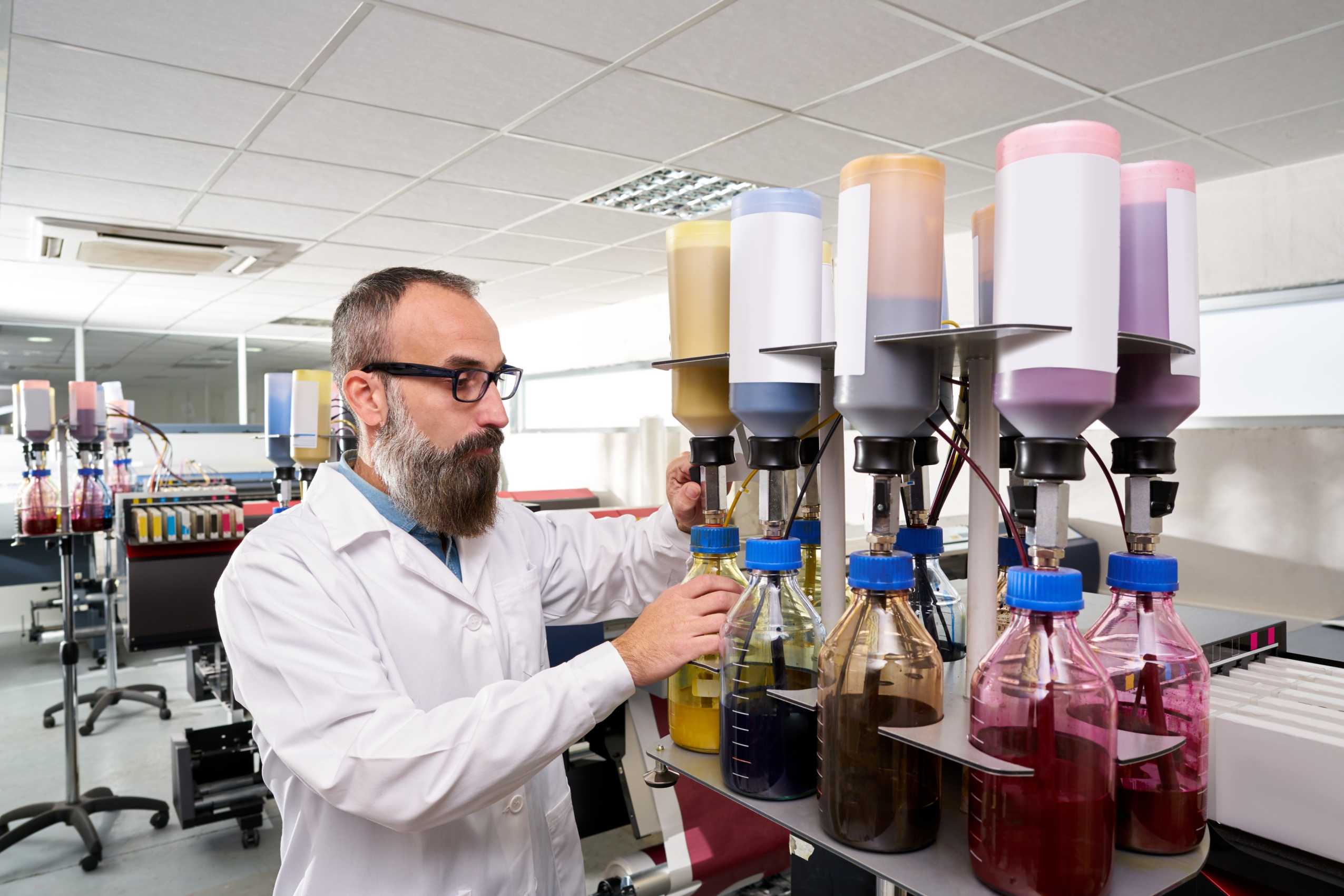
Dedicated formulation suites for emulsions, suspensions, micro-encapsulations and granulation. Equipment includes:
- ✓ High-shear mixers, Gaulin-type homogenizers for stable EW/SE products.
- ✓ Bead/sand mills for micronized SC dispersions.
- ✓ Extruders, fluid-bed granulators and dryers for SG/GR product development.
- ✓ Pilot filling & packaging lines (1 mL → 20 L, sachets to 50 kg bags) to validate filling, sealing and labeling before scale production.
High-throughput formulation screening to accelerate lead formulation selection and optimize wetting agents, dispersants and adjuvants.
Analytical & Quality Science
Fully equipped analytical laboratory with:
- ✓ HPLC, GC, UV-Vis spectrophotometer, and MS-ready sample prep capability for active ingredient quantification, impurity profiling and stability studies.
- ✓ Dissolution, particle size analysis and rheology testing for suspension/dispersion characterisation.
- ✓ Packaging compatibility lab to test HDPE, fluorinated bottles, PET, tin, laminated pouches and corrugated cartons under accelerated aging and stress conditions.
Method development, validation and stability study workflows aligned with FAO/BIS/OECD good-practice standards to support registration dossiers.
(The role of analytical platforms in formulation release and regulatory compliance is standard across leading agrochemical R&D centers.)
Biologicals & Biopesticide Capabilities
Separate contained labs and greenhouses for work on microbial and botanical actives (isolation, culture, formulation of bioagents, and compatibility testing).
Facilities for safe handling, containment and efficacy testing of biologicals, plus shelf-life and field performance evaluation.
Greenhouse, Microplot & Field Trial Stations
Climate-controlled greenhouses for dose-response, phytotoxicity and multi-generation plant studies.
Replicated micro-plot and on-farm field sites across different soil types and agro-climatic zones for efficacy, crop safety and residue dissipation trials. Trials are designed and executed under documented SOPs and international test guidelines (eg. OECD Test No. 509 for crop field trials) to generate robust data for registration and label claims.
Data Science, Digital Agriculture & Modelling
Bioinformatics and cheminformatics capabilities for compound prioritization, predictive ADME/tox modelling and in-silico environmental fate assessment.
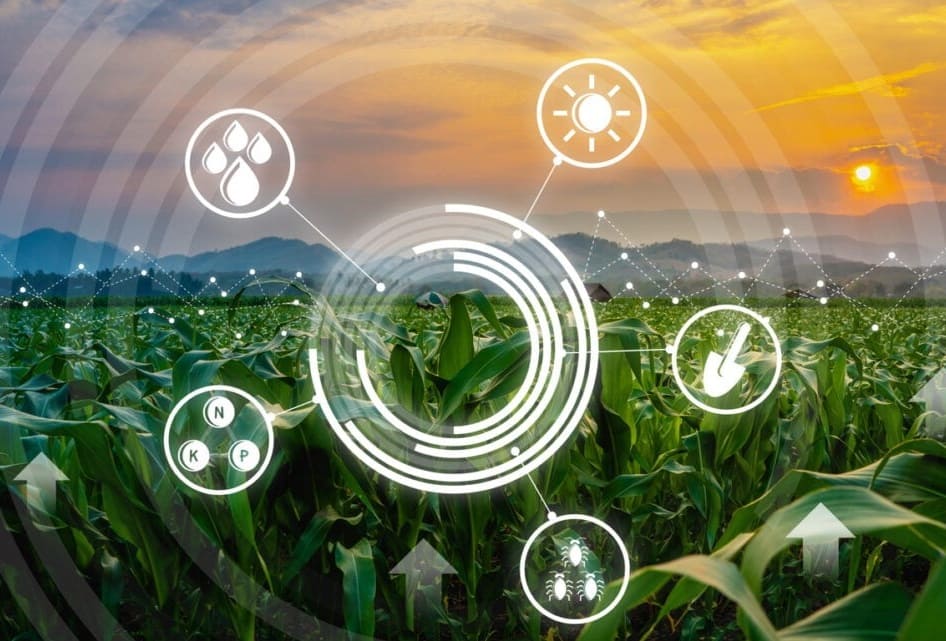
Field data capture systems, trial management software and statistical analysis pipelines for transparent, reproducible efficacy and residue evaluation.
(Large agrochemical R&D organizations combine lab science with digital tools and high-throughput experimentation to accelerate discovery.)

Regulatory, Safety & Compliance
Regulatory affairs unit to prepare and submit dossiers in compliance with national regulators and international standards (FAO, BIS, OECD).
GLP-aligned trial conduct, good laboratory practice for analytical work, and documented SOPs for field research.
Environmental and occupational health labs for ecotoxicology screening, PPE validation and safe use instructions.
Controlled sample retention rooms for counter-samples and stability batches — enabling traceability and post-market investigations.
(Adhering to GLP/SOPs and OECD guidance for trials and sample retention is essential for regulatory acceptance and industry best practice.)
Industry Collaboration, Intellectual Property & Knowledge Transfer
Active collaboration with academic institutions, agricultural research organizations and contract research organizations for specialized trials and breeding partnerships.
IP management processes to protect novel chemistries, formulations and processes, while enabling licensing and technology partnerships.
Training programs and continuous upskilling for R&D scientists in formulation science, analytical techniques, and regulatory affairs.
(Major players routinely combine internal R&D with external partnerships and strong IP management to maintain innovation pipelines.)
Sustainability & Stewardship
R&D mandate includes developing safer, lower-dose and biologically-based products, and improving formulation efficiency to reduce environmental loading.
Emphasis on lifecycle thinking: raw material selection, packaging optimization (lighter, recyclable formats), and stewardship materials (labels, safe-use leaflets) to support farmer safety and regulatory compliance.
(Industry trend: progressive R&D centres invest in biologicals and sustainable agriculture solutions alongside conventional chemistries.)
How Ekhande’s R&D Strengthens Product Lifecycle
- Faster, predictable scale-up — lab → pilot → plant handover supported by in-house pilot lines and packaging trials.
- Regulatory readiness — integrated analytical and field teams generate compliant data packages for timely registration.
- Market differentiated products — formulation science delivers user-friendly formats (low-dose, adjuvant-optimized, micro-encapsulated) tailored for Indian cropping systems.
- Local validation — multi-site field testing across Indian agro-ecologies ensures label efficacy and reduces product adoption risk.